
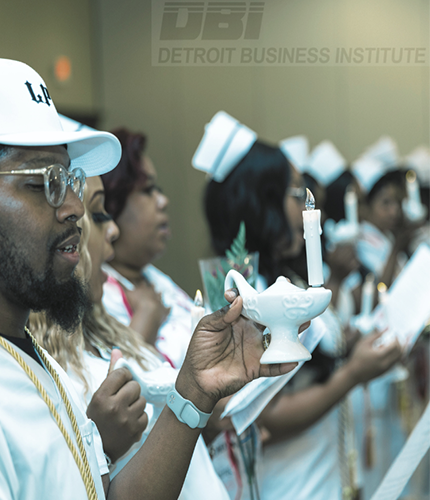
Practical Nurse (PN) Program
The Practical Nurse (PN) program includes instruction in medical-surgical nursing, maternal-child nursing, pharmacology, and foundational nursing concepts aligned with entry-level practical nursing practice.
Licensed Practical Nurses (LPNs) provide basic nursing care under the supervision of registered nurses and physicians. Responsibilities may include assisting with patient care activities, administering medications as permitted by law, monitoring vital signs, and supporting patient comfort and daily care needs. LPNs work in settings such as long-term care facilities, clinics, hospitals, and physicians’ offices.
Detroit Business Institute offers a structured Practical Nurse certificate program designed to prepare students with the knowledge, skills, and clinical experiences required for entry-level practice, consistent with program objectives and applicable regulatory standards.
Detroit Business Institute’s Practical Nursing Program is currently undergoing the required approval process with the Michigan Board of Nursing. DBI anticipates a potential program start in late Fall 2026; however, the start date is tentative and is subject to all required regulatory and institutional approvals. At this time, applicants will be added to DBI’s list of interested candidates.
Duration
1 Year Program
Credits
61.5 Quarter Credits
Hours
1,155 Total Hours
Schedule
The Practical Nurse (PN) program is designed to be completed over one academic year and includes a combination of classroom instruction, skills laboratory training, and supervised clinical experiences in approved healthcare settings.
Program Highlights
✔ One-year practical nursing program
✔ Classroom, laboratory, and clinical training
✔ Preparation for NCLEX-PN licensure examination
✔ Hands-on nursing skills development
Subjects Include
✔ Fundamentals of Nursing
✔ Anatomy and Physiology
✔ Medical Terminology
✔ Dosage Calculations
✔ Medical Surgical Nursing
✔ Pharmacology
✔ Maternal–Child Nursing
✔ Transition to Practical Nursing Practice
✔ Gerontology
✔ Mental Health
Clinical Training
Students participate in supervised clinical experiences designed to apply classroom knowledge in real healthcare environments. Clinical placements may occur in long-term care facilities, hospitals, or other healthcare settings approved for training.
Clinical placements are coordinated by the institution and are subject to availability and facility requirements.
Career Settings
Graduates of the Practical Nursing program may pursue employment in a variety of healthcare environments, including:
✔ Long-term care facilities
✔ Hospitals
✔ Clinics and physician offices
✔ Rehabilitation centers
✔ Home health settings
Employment opportunities depend on employer hiring requirements and licensure.
Licensing
Graduates who successfully complete all program requirements are awarded a certificate in Practical Nursing and may be eligible to apply for the National Council Licensure Examination for Practical Nurses (NCLEX-PN). Licensure as a practical nurse is determined by the Michigan Board of Nursing and requires meeting all applicable state requirements.
Admission Requirements
Admission to the Practical Nurse program is selective and based on completion of the requirements outlined below.
Admission Requirements
Applicants to the Practical Nurse (PN) program must meet the following requirements:
✔ Graduation from high school or successful completion of a GED
✔ Completion of a criminal background check and drug screening, as required for clinical placement
✔ Completion of an approved nursing entrance assessment (ATI TEAS or equivalent), in accordance with program criteria
✔ Submission of required health documentation, including immunizations, titers, and tuberculosis screening, prior to the start of classes
✔ Submission of letters of recommendation, as specified by the admissions office
✔ Current American Heart Association (AHA) Basic Life Support (BLS) certification for Healthcare Providers, including AED training
✔ Completion of a personal interview with an admissions representative
Additional admission criteria and program policies are outlined in the school catalog.
Program Disclosure
Completion of the Practical Nursing program does not guarantee licensure or employment. Licensure is granted by the applicable state board of nursing after successful completion of the NCLEX-PN examination and satisfaction of all regulatory requirements.
Apply or Request Information
Prospective students may submit their contact information to learn more about the program and the admissions process.
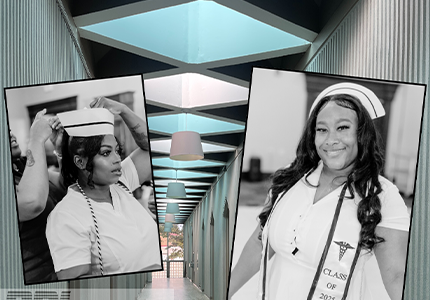
Nurse Aide Program
This Nurse Aide training program aligns with Michigan Competency-Driven Core Curriculum for Nurse Aides (Effective March 2023) curriculum guide, prepares a student for a rewarding career in healthcare.
Through a combination of classroom instruction, skills lab practice, and a clinical rotation at a nursing home, students gain the essential knowledge and skills to provide compassionate care to patients in long-term care settings.
Nurse Aide Program
Duration
2.5 Weeks
Total Hours
82 Hours
Format
Hybrid In-person & Virtual
Program Format
The Nurse Aide program at Detroit Business Institute–Downriver is delivered in a hybrid format.
Program Highlights
✔ Nursing Aide Program integrating AI in patient care in the curriculum
✔ Meets Michigan Department of Licensing and Regulatory Affairs (LARA) requirements
✔ Experienced and qualified instructors
✔ Comprehensive curriculum covering all required topics
✔ Hands-on skills training in a simulated lab environment
✔ Clinical experience at a local nursing home
✔ Preparation for the Michigan Nurse Aide Competency Evaluation
✔ Job placement assistance
Skills Covered
Students receive training in essential patient care skills, including:
✔ Basic patient care techniques
✔ Infection control and safety procedures
✔ Assisting with activities of daily living
✔ Patient communication and documentation
✔ Monitoring patient condition and reporting changes
✔ Professional conduct in healthcare environments
Clinical Training
Students participate in supervised clinical experiences designed to apply classroom knowledge in real healthcare settings.
Clinical training may occur in approved long-term care facilities or other healthcare environments.
Clinical placements are subject to facility availability and regulatory requirements.
Certification Information
Students who successfully complete the Nurse Aide training program may be eligible to apply for the state nurse aide competency examination, subject to applicable state regulatory requirements.
Certification Disclosure
Completion of the Nurse Aide training program does not in itself grant certification. Individuals must successfully pass the state competency examination and meet all state requirements in order to be listed on the state nurse aide registry.
Career Settings
Graduates of nurse aide training programs may pursue entry-level patient care support roles in healthcare environments such as:
✔ Long-term care facilities
✔ Nursing homes
✔ Rehabilitation centers
✔ Assisted living facilities
✔ Hospitals
Employment opportunities depend on employer hiring requirements and state registry status.
Admission Requirements
Age
Minimum of 18 years
Education
High School Diploma or equivalent preferred
Background Check
Clear criminal background check
Important Program Disclosure
Completion of the program does not guarantee certification or employment. Certification requires successful completion of the state nurse aide competency examination and meeting all applicable regulatory requirements.
Apply or Request Information
Prospective students may submit their contact information to learn more about the program and the admissions process.